grosvenor place


2019

london

office headquarters

refurbishment of Grade II listed building

1210sqm


offices within a Listed building for an international firm

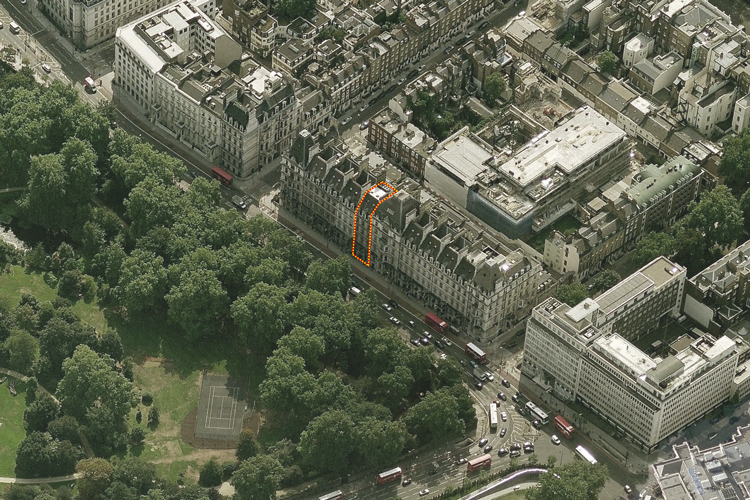
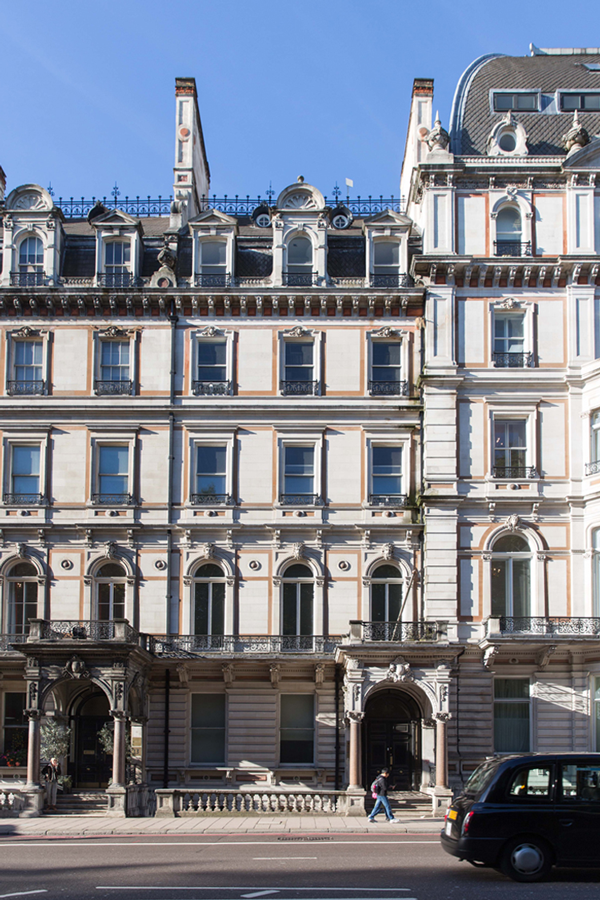
Directly in front of the gardens of Buckingham Palace, this seven storey building forms part of a distinguished terrace in the French Renaissance style, faced in white portland stone and topped by a fishscale mansard roof.

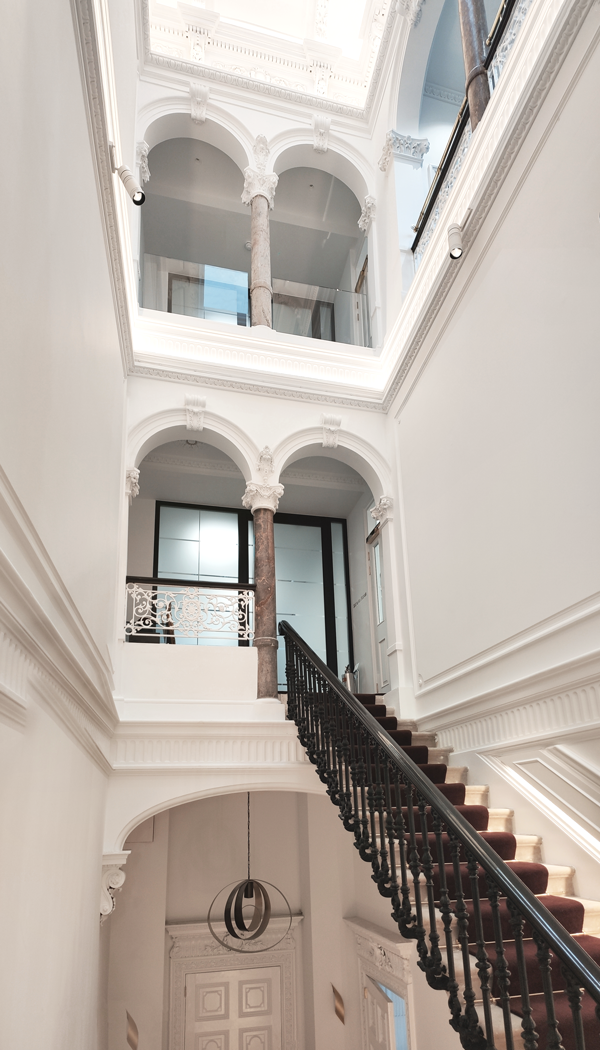
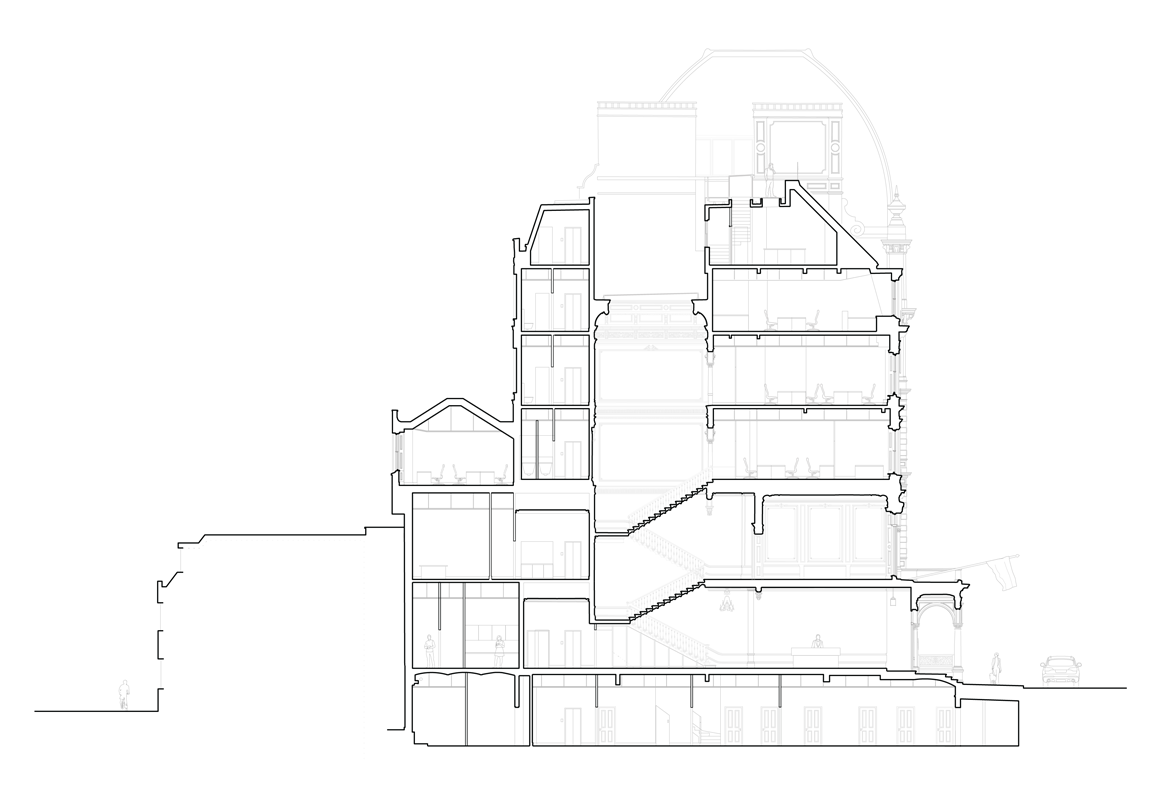
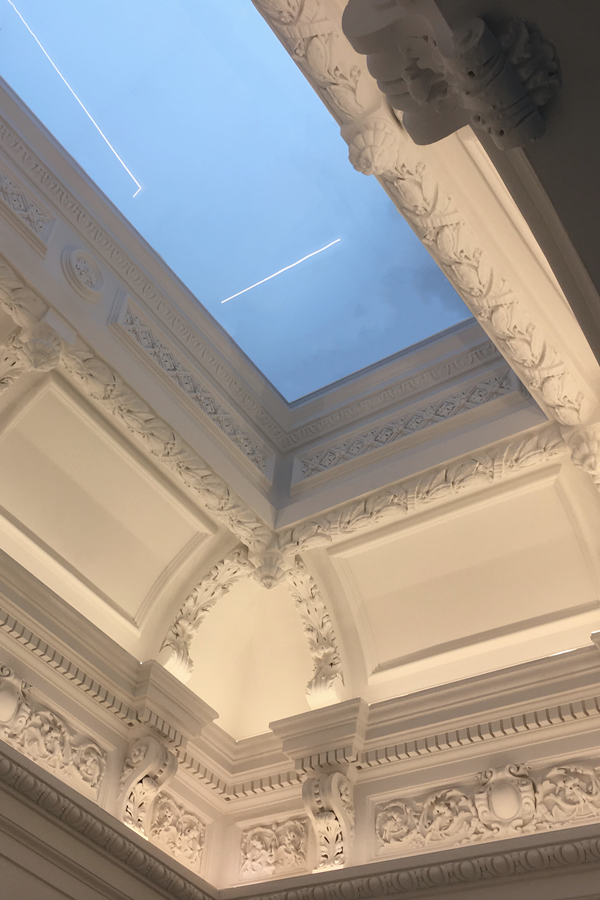
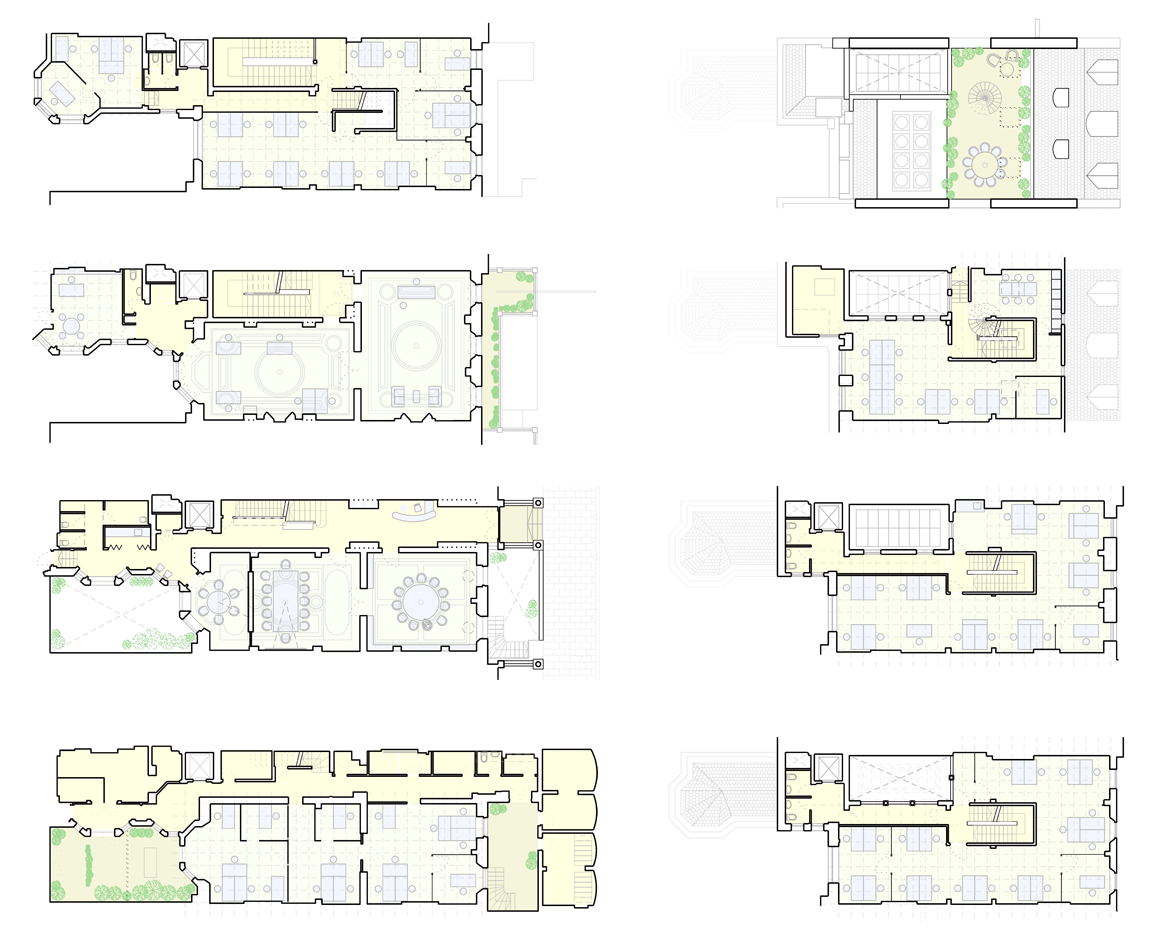
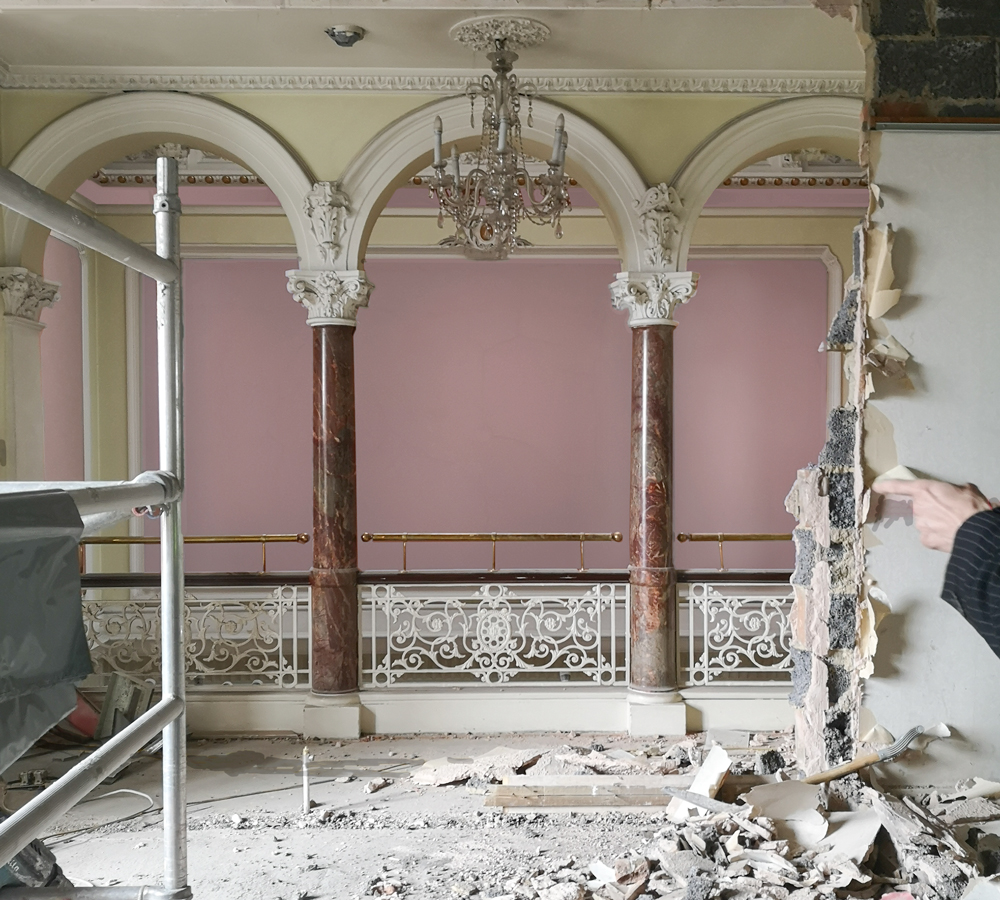
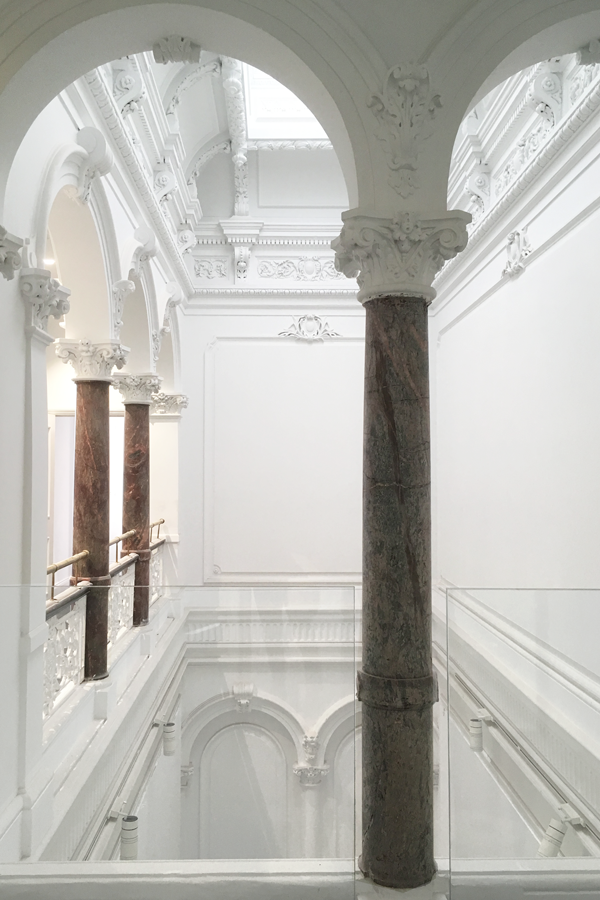
At the heart of the interior is a full-height stairwell, flooded with light from a large rooftop glazed 'lantern'. Each floor looks into this void through an arched stone colonnade.

Thus this stairwell is not simply a functional item - an essential source of circulation, daylight and air - but also transformed into an elevated theatrical set where one's daily activities are enriched by the drama of the setting.
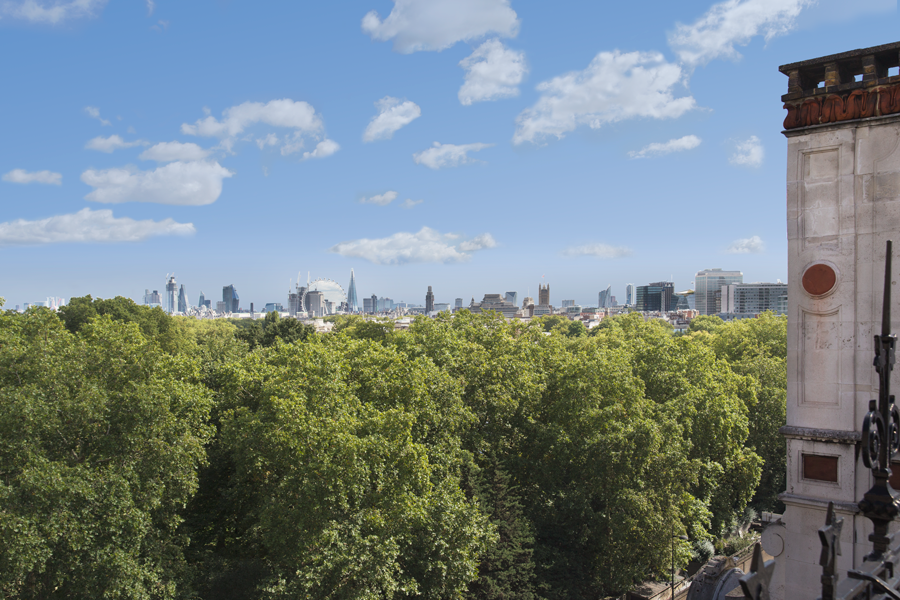
Planning approval was also obtained for a rooftop terrace, providing spectacular views over the large gardens of Buckingham Palace and the central London skyline beyond.

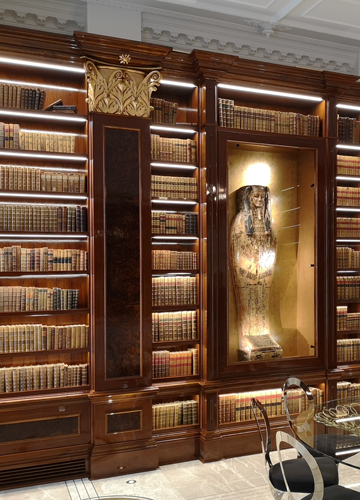
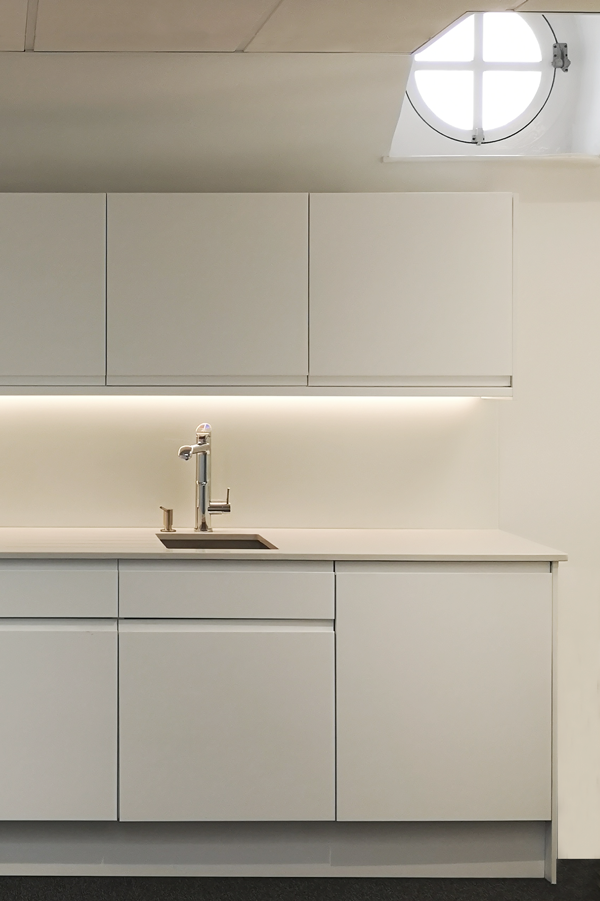
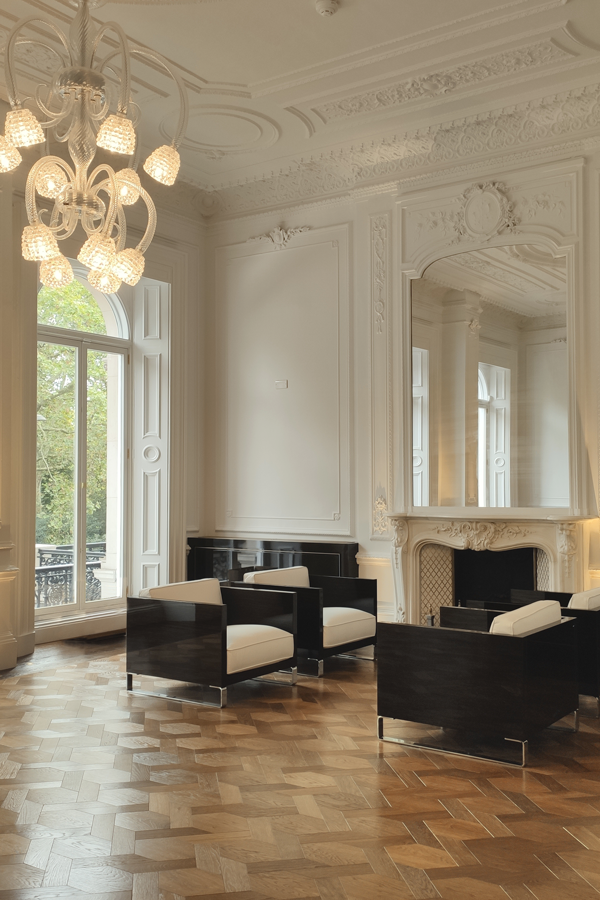
Whilst the key levels, the ground and first floor, are relatively ornate with bespoke joinery and art, the brief for the upper levels was more straightforward (category B office fit-out).

All existing historic details were retained and restored.


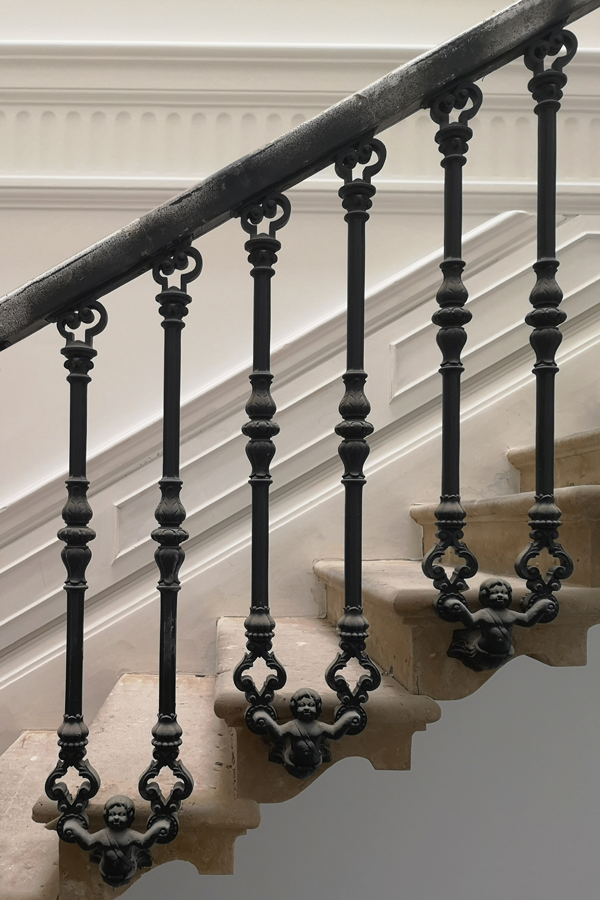
The lightwell contains a 'cantilevered' stone stair typical of its time.

These types of stair were introduced to England through Inigo Jones’s visit to Italy in 1613, where he visited Palladio’s staircase in La Carità (now the Academia) in Venice, built around 1560.

Palladio's describes his design in his Quattro Libri dell’Architecture, the chapter ‘Of stairs and various kinds of them’: "they succeed very well that are void in the middle, because they can have the light from above, and those that are at the top of the stairs, see all those that come up, or begin to ascend, and are likewise seen by them."

Although called 'cantilevered' these types of stair are not actually cantilevered in structural terms. Each tread is supported on three sides, with only one end left unsupported.

The treads of 19th-century stone staircases were generally built 4 1/2in into the supporting brickwork walls.


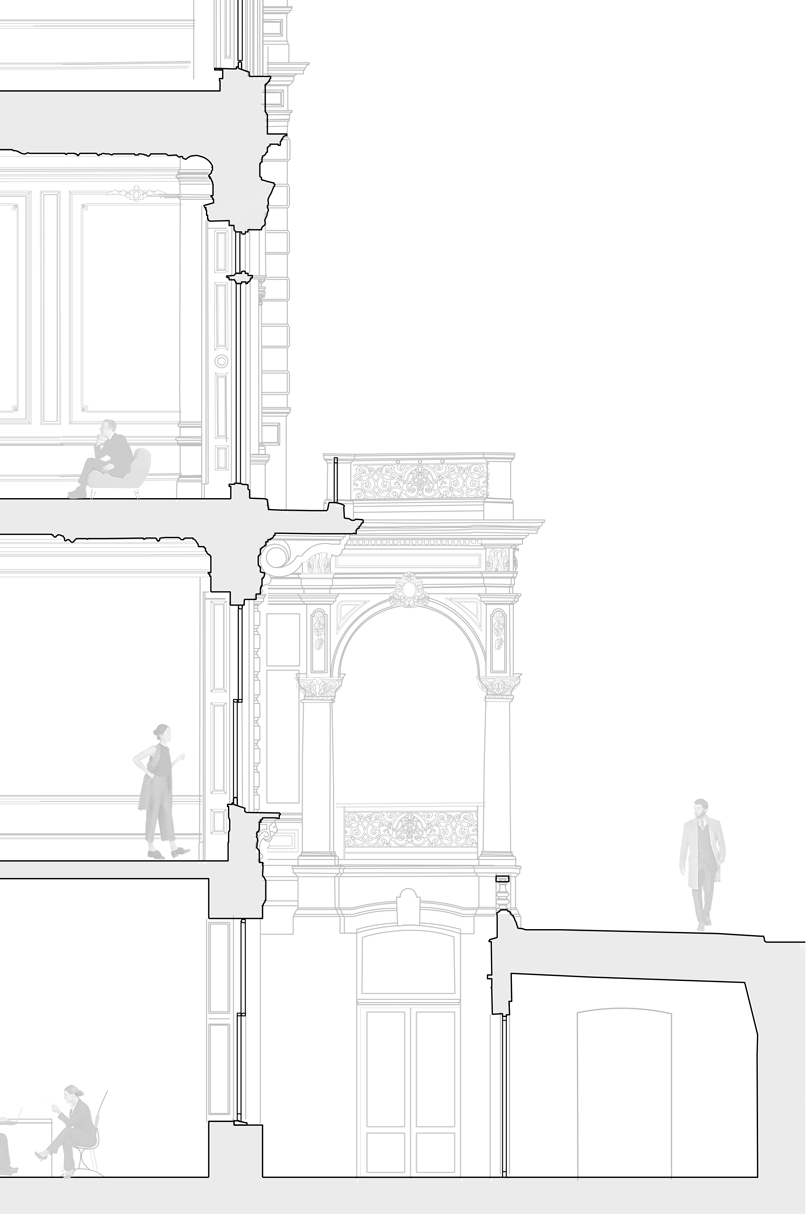
section at street level through the front elevation


Location

Originally built c.1868 as grand residential accommodation – the first tenant was Sir Thomas Bateson (pictured), 2nd Baronet, a peer and Conservative Party politician – it has been in use as offices since 1952.

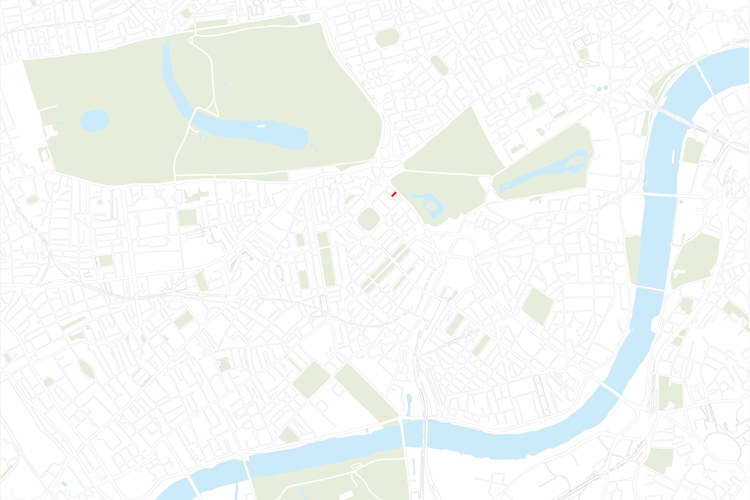
The building forms part of the Grosvenor Estate, just off Hyde Park Corner.


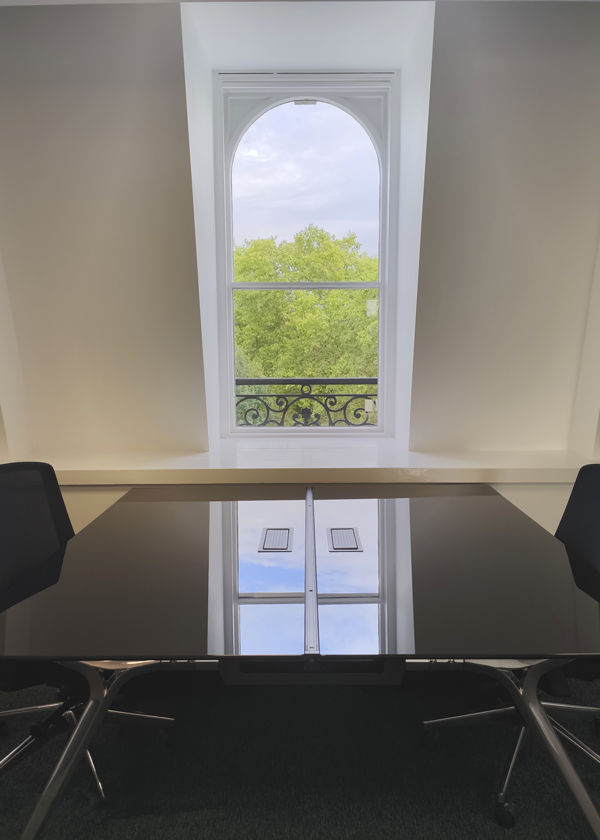
The category B office fit-out allows for around 100 desks, plus 3 conference rooms and other ancillary spaces.
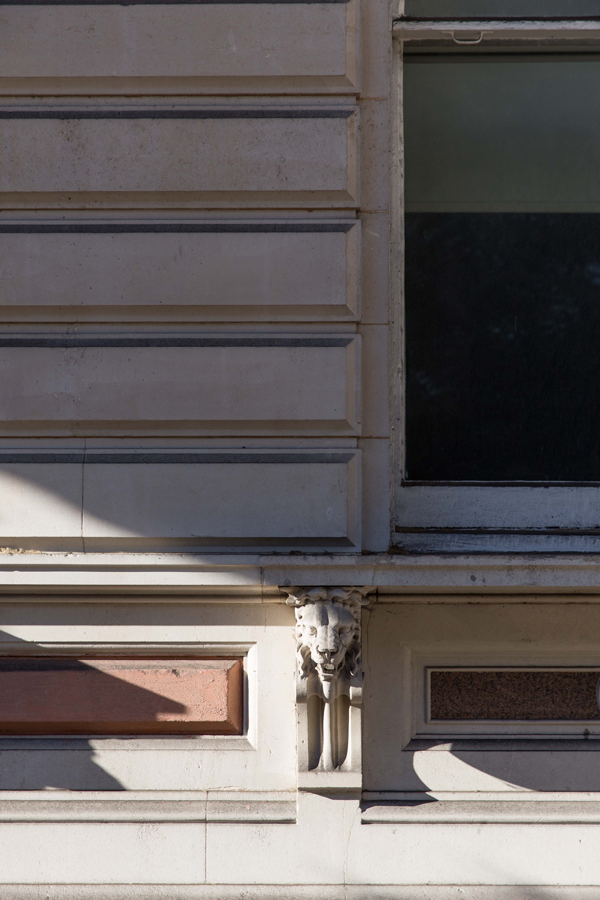
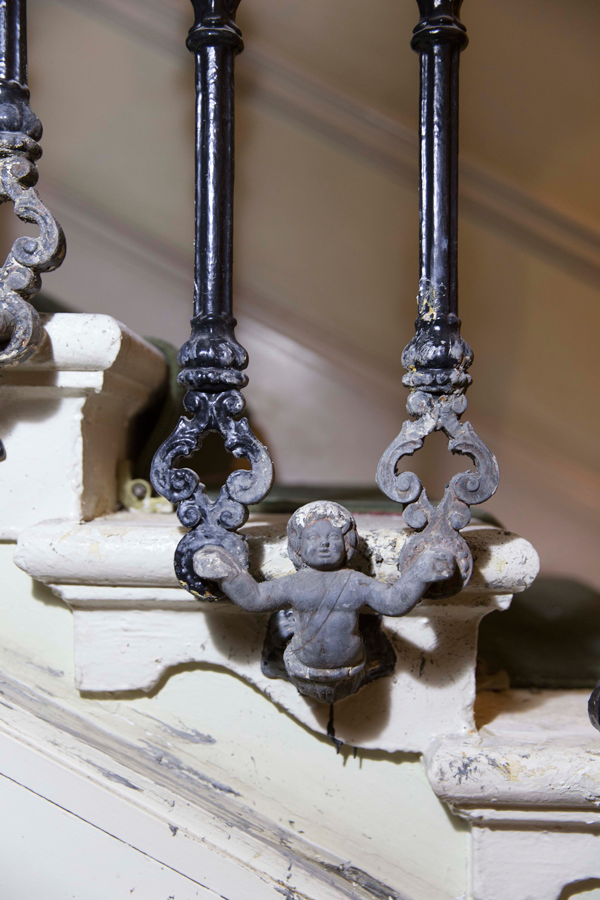
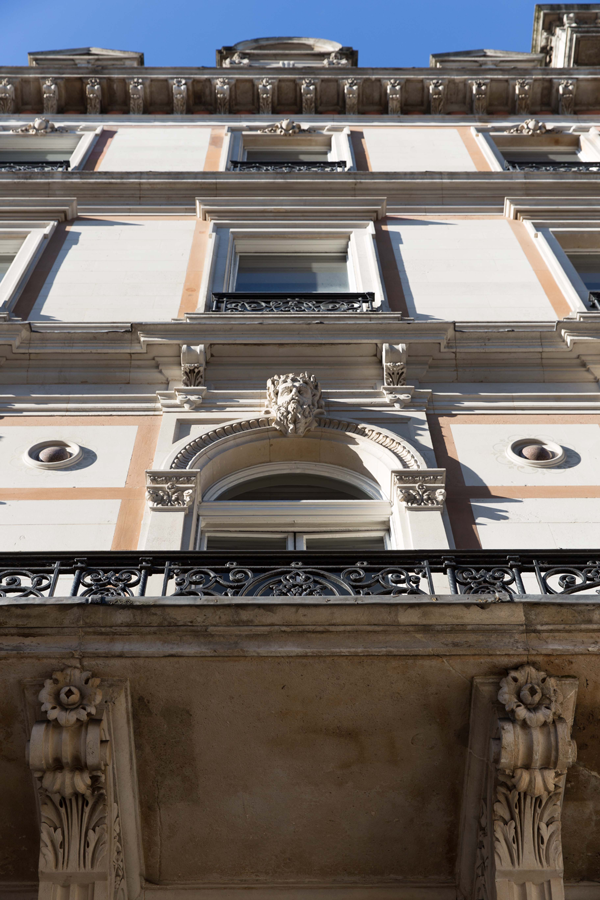
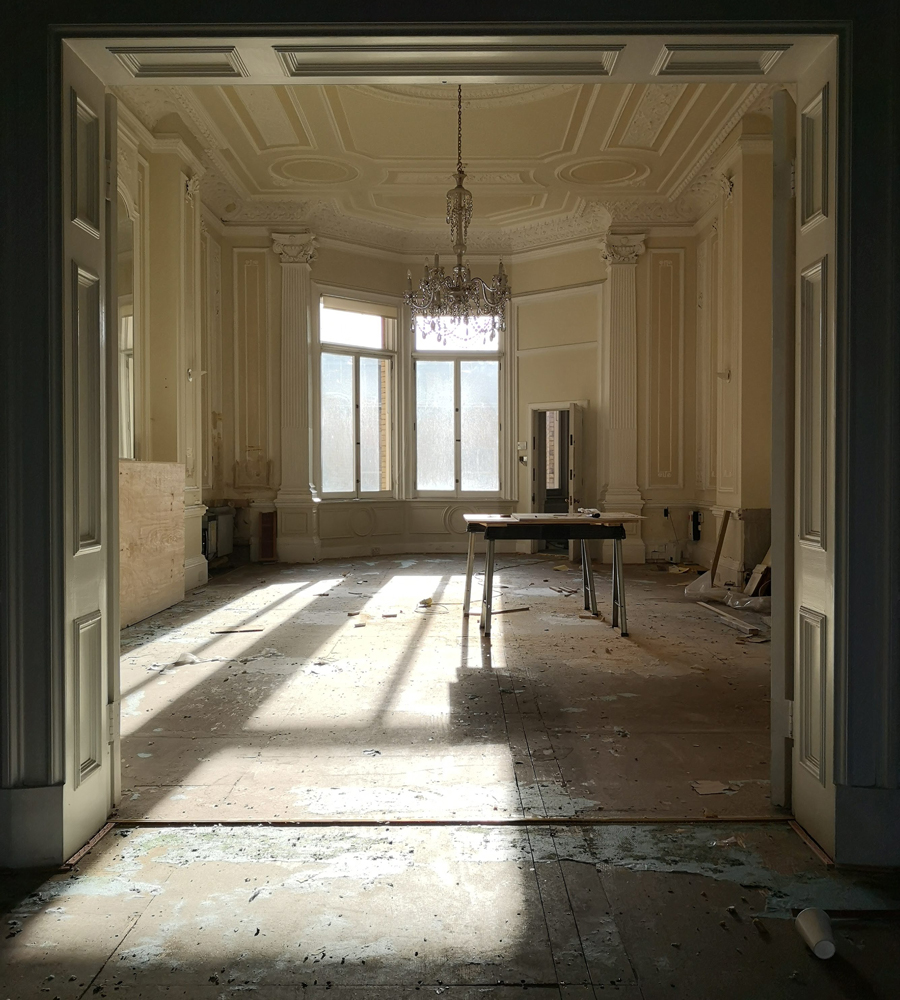
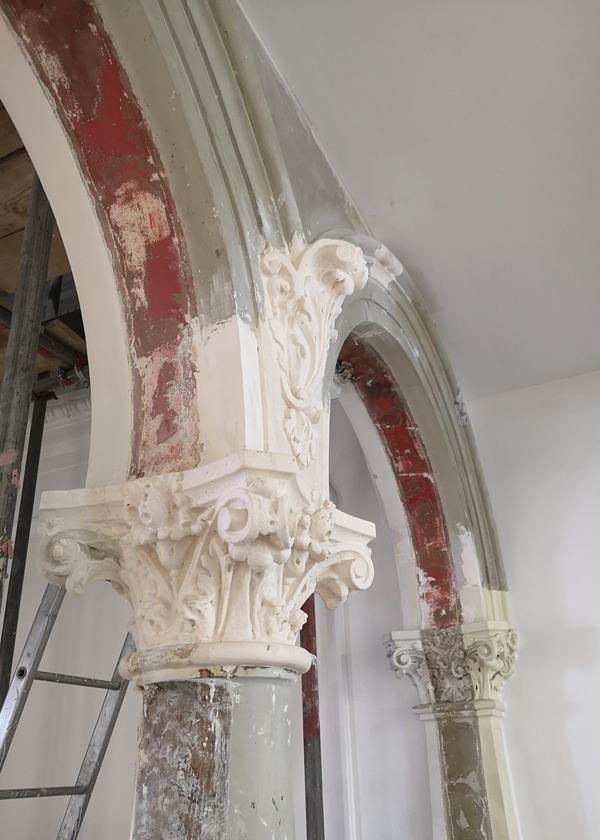
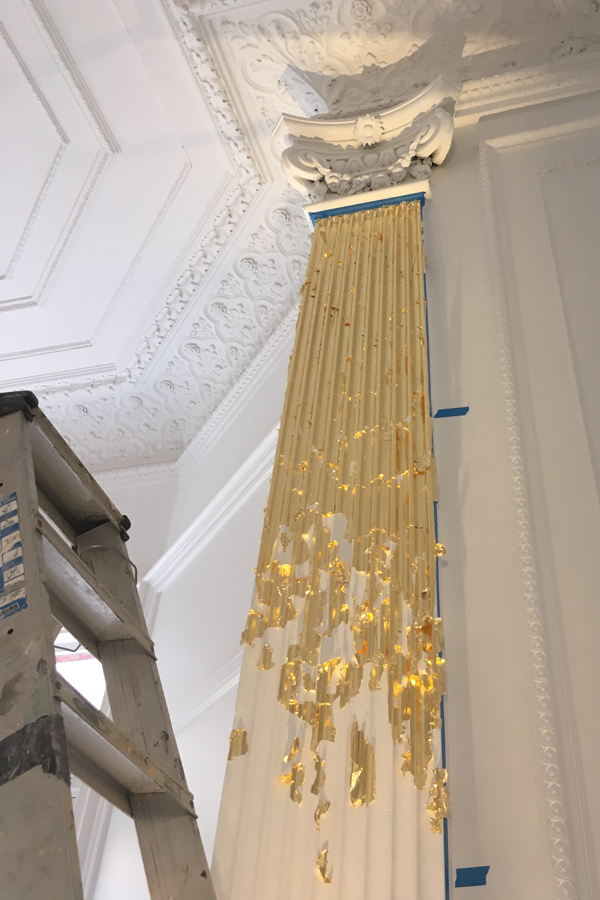
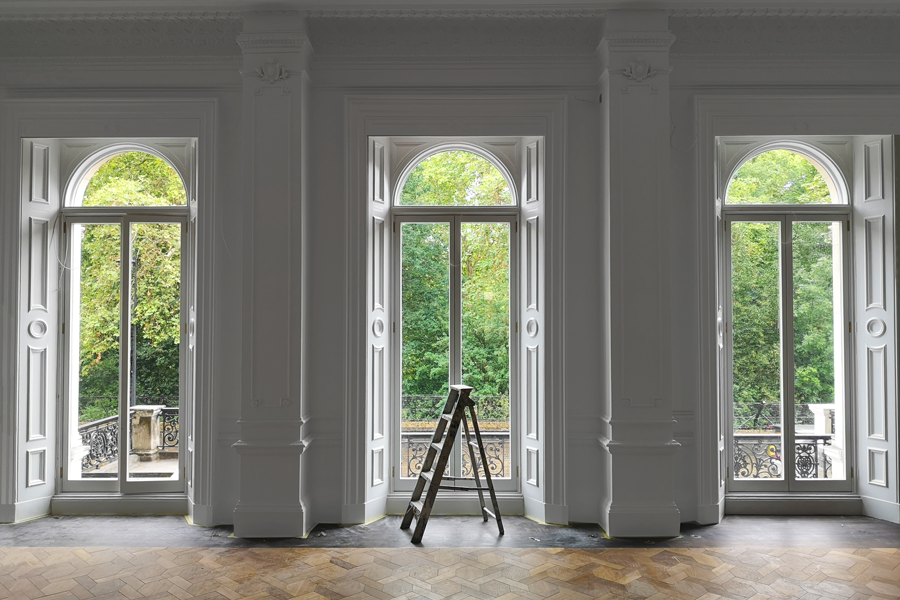
The rich detailing of the original was cleaned and preserved.


Construction

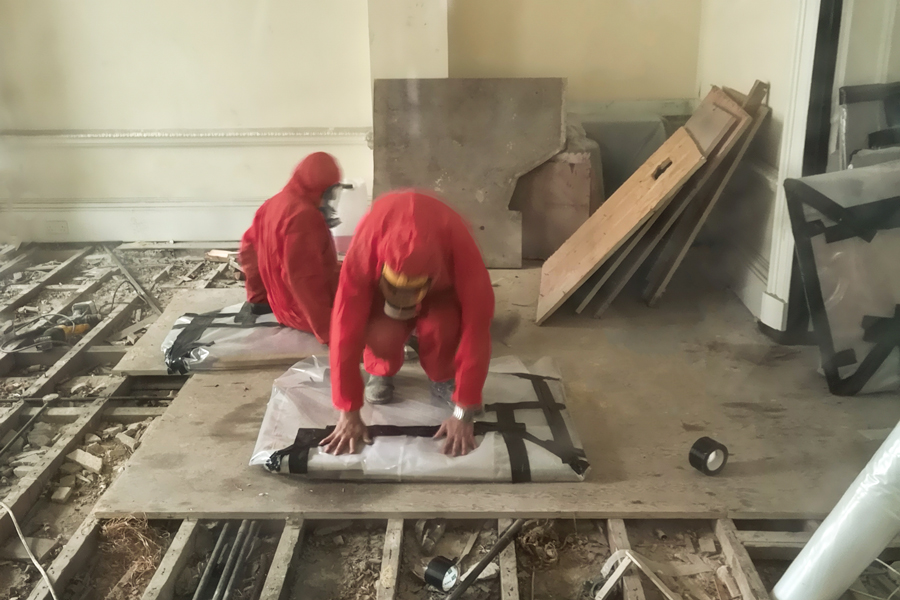
on-site asbestos removal

Restoring original detailing by taking a cast from the existing.

Breaking open non-original partitions, to reconnect the floor with the lightwell.

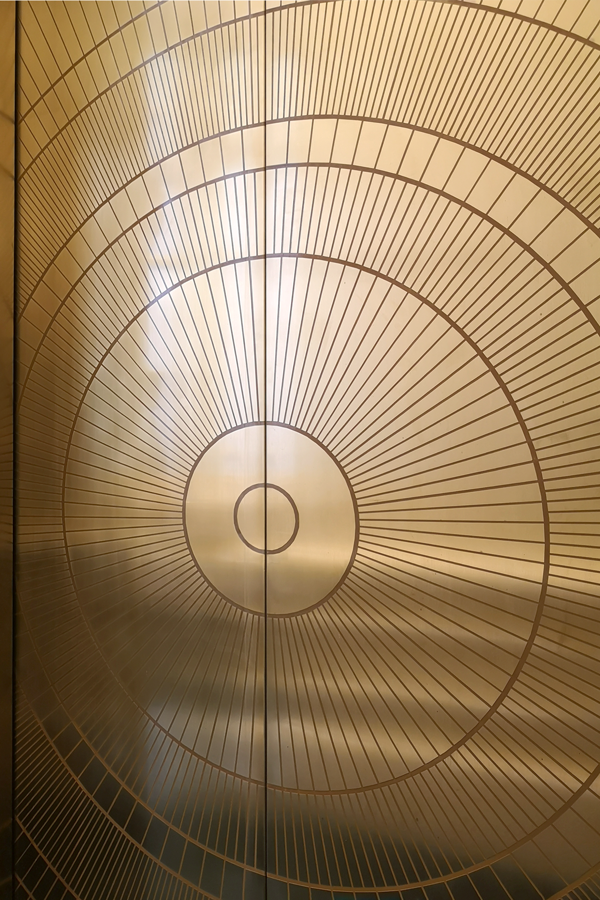
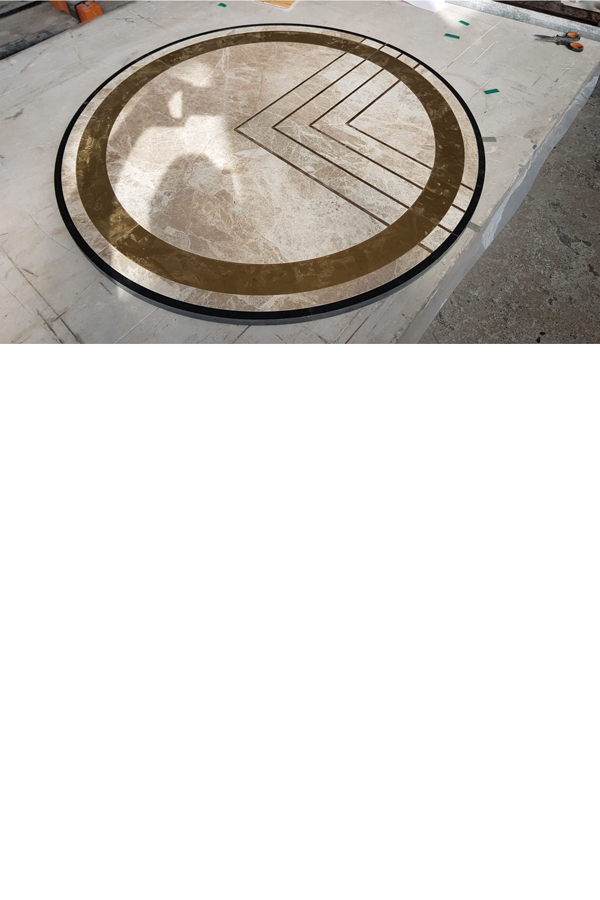
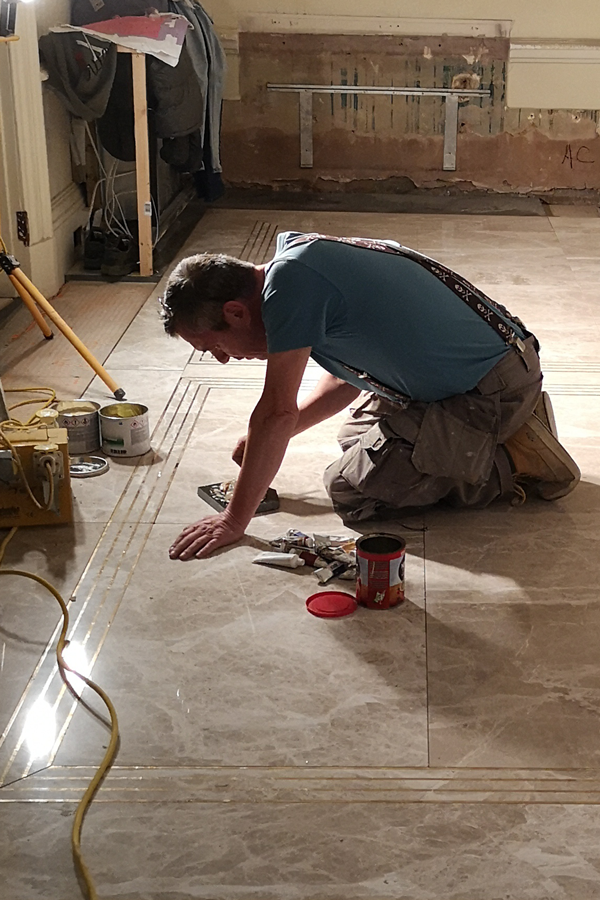
New marble floors were installed with custom brass inlays designed to a pattern by the client.

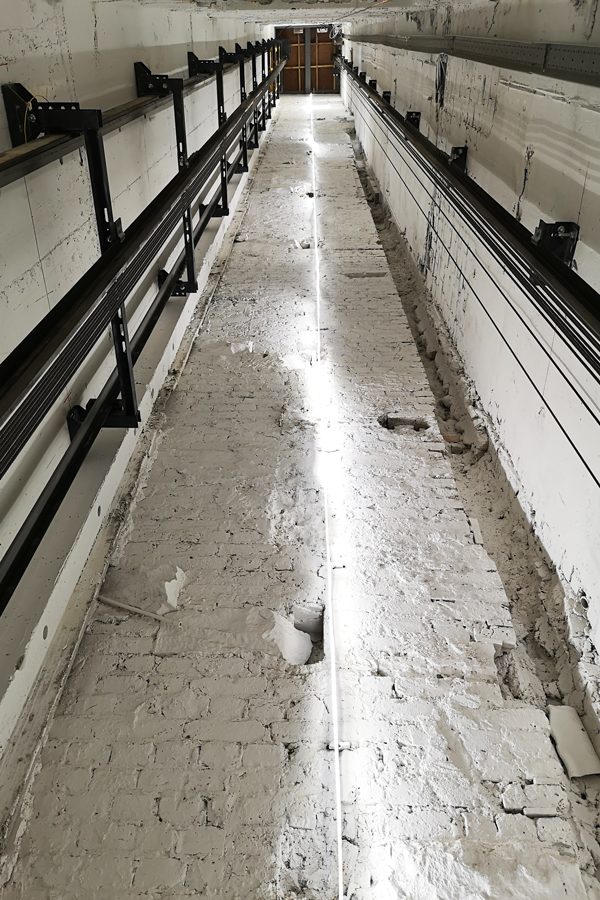
The rear service stair was removed in the 1970's during major refurbishment and a lift shaft inserted. Traces of the cantilevered stone stair can still be seen emerging out of the brickwork walls.

New window joinery, in the style of the existing, was installed to the listed facade with glazing to a contemporary environmental and acoustic specification.


Credits

Architect - Nicholas Zervoglos Architects
Planner - Nicholas Zervoglos Architects
Structural Engineer - Price & Myers
Contract Administrator - Murray Birrell
Contractor - Interior Motives International